
Introduction
In recent years, health and wellness have become top priorities for many people around the world. As a result, the demand for dietary supplements has increased rapidly. From boosting immunity and improving energy to supporting digestion and overall wellness, supplements are now part of many daily routines. However, one important question continues to create confusion: should you choose herbal supplements or synthetic supplements?
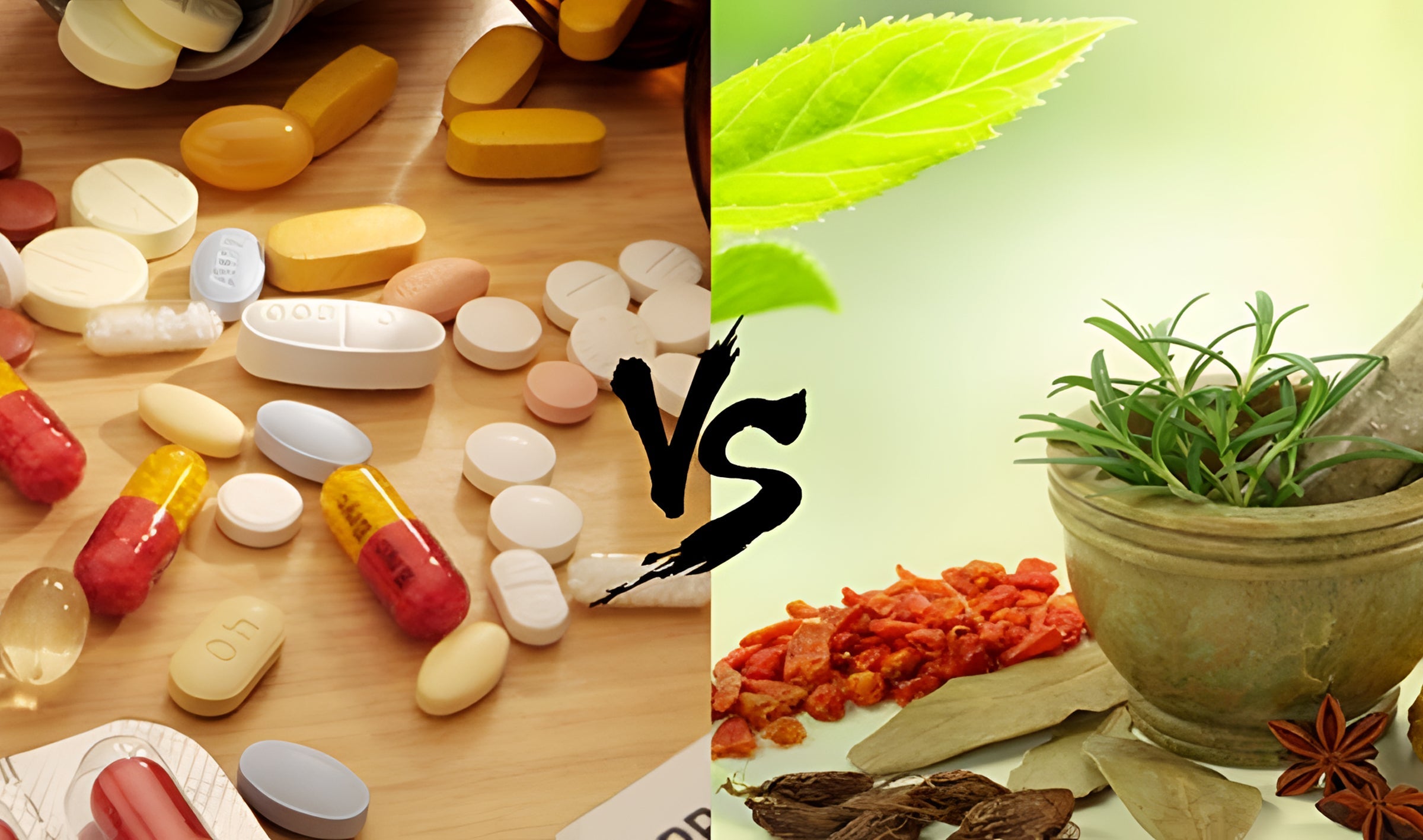
Herbal supplements are made from natural ingredients like herbs, roots, flowers, leaves, and plant extracts. These supplements are commonly used in traditional wellness systems such as Ayurveda and herbal medicine. Synthetic supplements, on the other hand, are artificially manufactured in laboratories to imitate natural vitamins, minerals, and nutrients.
Both herbal and synthetic supplements offer benefits, but they differ significantly in terms of ingredients, absorption, effectiveness, side effects, and long-term wellness support. Understanding these differences can help you make smarter decisions about your health and nutrition.
In this guide, we will explore the 10 important differences between herbal supplements and synthetic supplements and help you understand which option may better suit your lifestyle and wellness goals.
1. Source of Ingredients
One of the biggest differences between herbal and synthetic supplements is where the ingredients come from.
Herbal Supplements
Herbal supplements are made from natural plant sources such as:
- Ashwagandha
- Turmeric
- Ginger
- Ginseng
- Holy basil
- Aloe vera
These ingredients are usually minimally processed to preserve their natural nutritional compounds and wellness-supporting properties.
Synthetic Supplements
Synthetic supplements are produced in laboratories using chemical processes. They are designed to mimic vitamins, minerals, and nutrients found in natural foods.
For example:
- Synthetic vitamin C is often made from ascorbic acid.
- Synthetic vitamin D is manufactured through industrial processing.
Key Difference
Herbal supplements come directly from nature, while synthetic supplements are chemically manufactured.
2. Nutrient Absorption in the Body
How your body absorbs nutrients is another major difference between herbal and synthetic supplements.
Herbal Supplements
Natural herbs contain multiple nutrients, enzymes, antioxidants, and plant compounds that may support better absorption and utilization by the body.
For example, turmeric naturally contains curcumin along with other compounds that work together to support wellness.
Synthetic Supplements
Synthetic supplements often contain isolated nutrients without supporting natural compounds. In some cases, the body may not absorb synthetic nutrients as effectively as naturally occurring ones.
Example
Natural vitamin E contains multiple tocopherols, while synthetic vitamin E often contains only one isolated form.
Key Difference
Herbal supplements may provide more balanced nutrient absorption due to their natural composition.
3. Ingredient Complexity and Nutritional Value
Plants naturally contain complex combinations of beneficial compounds.
Herbal Supplements Contain
- Antioxidants
- Phytochemicals
- Essential oils
- Plant enzymes
- Natural minerals
These compounds may work together to provide broader wellness support.
Synthetic Supplements
Synthetic products usually focus on delivering one isolated nutrient in concentrated form.
Key Difference
Herbal supplements provide more complete nutritional support, while synthetic supplements mainly target specific nutrients.
4. Artificial Additives and Fillers
Some supplements may contain unnecessary artificial ingredients.
Synthetic Supplements Often Include
- Artificial colors
- Preservatives
- Fillers
- Artificial sweeteners
- Chemical stabilizers
These additives help increase shelf life and improve appearance but may not offer health benefits.
Herbal Supplements
Many high-quality herbal supplements use cleaner ingredient lists with fewer artificial additives.
However, not all herbal products are pure, so reading labels is important.
Key Difference
Herbal supplements often contain more natural ingredients, while synthetic supplements may include more artificial substances.
5. Support for Holistic Wellness
Herbal supplements are commonly associated with holistic health and natural wellness traditions.
Herbal Supplements May Support
- Stress management
- Relaxation
- Better digestion
- Improved sleep
- Energy balance
- Immune health
Traditional wellness systems focus on balancing the entire body rather than targeting a single symptom.
Synthetic Supplements
Synthetic supplements are generally designed to address specific nutrient deficiencies or medical concerns.
Example
Synthetic calcium supplements mainly focus on calcium intake, while herbal blends may support multiple body systems simultaneously.
Key Difference
Herbal supplements focus more on whole-body wellness, while synthetic supplements often target isolated deficiencies.
6. Speed and Effectiveness
The speed at which supplements work can vary significantly.
Synthetic Supplements
Synthetic vitamins often provide faster results because they deliver concentrated nutrients directly into the body.
Doctors commonly recommend synthetic supplements for:
- Iron deficiency
- Vitamin D deficiency
- Vitamin B12 deficiency
Herbal Supplements
Herbal remedies usually work gradually over time because they support the body naturally rather than forcing rapid changes.
Key Difference
Synthetic supplements may work faster, while herbal supplements usually support long-term wellness gradually.
7. Side Effects and Body Sensitivity
Different supplements may affect people differently depending on health conditions and sensitivities.
Possible Side Effects of Synthetic Supplements
- Digestive discomfort
- Nausea
- Headaches
- Artificial ingredient sensitivity
- Excess nutrient intake
Taking excessive synthetic vitamins may sometimes lead to toxicity.
Herbal Supplements
Many herbal supplements are considered gentler when used properly. However, herbs can still cause:
- Allergic reactions
- Medication interactions
- Digestive issues in sensitive individuals
Important Tip
Always consult a healthcare professional before starting any supplement routine.
Key Difference
Herbal supplements are often viewed as gentler, but both types require responsible use.
8. Environmental and Lifestyle Appeal
Lifestyle preferences also influence supplement choices.
Herbal Supplements
People who prefer:
- Natural wellness
- Plant-based living
- Organic products
- Sustainable lifestyles
often choose herbal supplements because they align with eco-friendly and holistic health values.
Synthetic Supplements
Synthetic supplements are mass-produced using industrial manufacturing methods.
Key Difference
Herbal supplements often appeal more to natural and environmentally conscious lifestyles.
9. Cost and Accessibility
Price and availability are practical factors when choosing supplements.
Synthetic Supplements
- Usually more affordable
- Widely available in pharmacies
- Easy to mass produce
Herbal Supplements
High-quality herbal products may cost more because of:
- Organic farming
- Natural extraction methods
- Quality testing
- Sustainable sourcing
Key Difference
Synthetic supplements are often cheaper and easier to find, while herbal supplements may focus more on natural quality.
10. Traditional Wellness vs Modern Nutrition
The history and philosophy behind supplements are very different.
Herbal Supplements
Herbal remedies have been used for centuries in:
- Ayurveda
- Traditional Chinese Medicine
- Herbal healing practices
These traditions focus on prevention, balance, and natural healing.
Synthetic Supplements
Synthetic supplements are based on modern nutritional science and laboratory-created formulations.
Key Difference
Herbal supplements come from traditional natural wellness systems, while synthetic supplements are products of modern science.
Which Is Better: Herbal or Synthetic Supplements?
There is no single answer because both options have benefits depending on your health goals.
Herbal Supplements May Be Better For:
- Natural wellness support
- Stress management
- Long-term holistic health
- Plant-based lifestyles
- Preventive wellness routines
Synthetic Supplements May Be Better For:
- Correcting deficiencies quickly
- Medical recommendations
- Controlled nutrient dosages
- Specific vitamin needs
Some people combine both types under professional guidance to support balanced health.
Tips for Choosing Safe Supplements
Read Ingredient Labels
Choose supplements with transparent ingredient lists.
Buy from Trusted Brands
Look for third-party testing and certifications.
Avoid Overuse
Too much supplementation can be harmful.
Consult Healthcare Professionals
Especially if you have health conditions or take medications.
Prioritize Quality
Organic and high-quality supplements are generally safer choices.
Conclusion
Understanding the important differences between herbal supplements and synthetic supplements can help you make better decisions for your health and wellness journey. Herbal supplements focus on natural, plant-based support and holistic wellness, while synthetic supplements provide isolated nutrients designed to address specific deficiencies.
Both options can play a role in maintaining health when used responsibly. The best choice depends on your lifestyle, nutritional needs, and personal wellness goals. Whether you choose herbal remedies, synthetic vitamins, or a balanced combination of both, maintaining healthy habits and proper nutrition is the foundation of long-term wellness.